
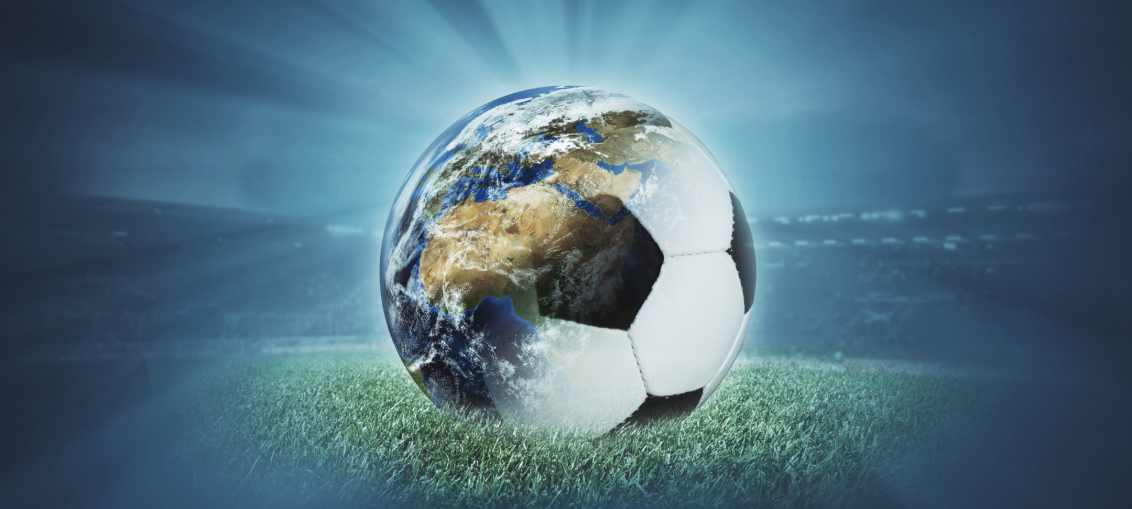
As we were watching Haiti play Scotland on Day 3 of the 2026 FIFA World Cup, my daughter asked, “Mom, why is Australia both a country and a continent?”
My response: “Honestly, I don’t know. Let’s look it up.”
We searched for the answer and learned that the Australian continent is almost entirely occupied by a single nation: Australia, unlike other continents, which are made up of multiple countries. Maybe I should have known the answer, but nonetheless, my daughter’s inquisitive mind taught me something new about world geography.
As our conversation continued, we began exploring the other continents, the countries represented in the World Cup, and fun facts about each one. I decided to use the World Cup as a fun and educational way to teach my daughters, and myself, about the world we live in beyond the United States and beyond soccer.
Below are a few tips to help parents make World Cup festivities as educational as they are fun. Some of these ideas may look familiar, as we mentioned them in a previous article about teaching children Black history.
1. Start with the Matches You Watch Together
Although my daughter’s question wasn’t relevant to the game we were watching, it sparked her interest in a team that would be playing in a future match. Starting with the games you watch together will give your children a connection to the teams they are watching. They may have a favorite team from around the world, but they are more likely to engage with other teams if they learn about each country’s history and culture.
Talk about the language they speak, the country’s flag and its significance, the foods they eat, and even learn about the nation’s leaders. Watching a team and learning about its country can provide context that makes each match more meaningful.
2. Engage with Art and Music
Art and music provide a unique window into world history, helping children understand how people have expressed their beliefs, experiences, and identities across time and cultures. Listen to genres that originated in different parts of the world, such as Afrobeats from Nigeria, samba from Brazil, mariachi from Mexico, reggae from Jamaica, K-pop from South Korea, and classical music from Europe. Discuss the historical events, cultural traditions, and social movements that influenced their development and how music has reflected migration, innovation, and change throughout history. Additionally, introduce children to artists from various countries and time periods, such as Leonardo da Vinci of Italy, Hokusai of Japan, Frida Kahlo of Mexico, Vincent van Gogh of the Netherlands, and Esther Mahlangu of South Africa. Discuss what their work reveals about the civilizations, traditions, and historical moments that shaped them, as well as their lasting impact on society and culture today.
3. Attend Watch Parties
The World Cup brings people from around the world to its 16 host cities across the United States, Canada, and Mexico. If you are in a host city such as Dallas, Houston, Los Angeles, Atlanta, Miami, or Seattle, you will see cultures from around the globe represented right in your hometown. Even if you do not live in a host city, you will likely encounter World Cup celebrations, watch parties, and cultural events in your community. Some of these cultures your children may already be familiar with, while others may not be as prominent in your area. Now is a great time for your kids to engage with people from cultures they may have only read about in history books.
It’s an opportunity to bring culture to life by seeing how different communities celebrate, the foods they enjoy, their fashion, and even their language. What better way to learn about a culture than from the people who live it every day? Participating in watch parties and, if you can, attending matches can provide a tangible connection to the traditions, celebrations, and stories of people from around the world.
4. Incorporate Multimedia Resources
Use age-appropriate documentaries, films, podcasts, and online resources to teach your children about significant events in world history, ancient civilizations, and the achievements of people from around the globe who have influenced society, government, science, and culture. This is also an opportunity to help children understand current events and how a global moment like the World Cup connects people across countries and cultures. Discuss how sports can influence economies, tourism, diplomacy, and national pride, while exploring the historical and cultural stories behind the nations competing on the world stage.
5. Create a Project Together
Projects can be a fun way to learn and create as a family. Consider making a poster featuring influential world figures or creating a timeline of significant events in world history. When studying historical and global leaders, highlight those who made a difference at a young age. For example, Malala Yousafzai began advocating for girls’ education as a child and became a global voice for educational access while still a teenager. Even if examples are limited, it can be powerful for children to see that age does not determine their ability to make an impact. History is filled with individuals who began changing their communities, and sometimes the world, long before they became adults.
6. Encourage Questions and Discussions
Create an open environment where children feel comfortable asking questions and expressing their thoughts. Discuss the importance of a global education, regardless of the career path they choose. Research suggests that children who develop a global perspective are more likely to demonstrate cultural awareness, empathy, critical thinking skills, and an ability to collaborate with people from diverse backgrounds, qualities that are increasingly valuable in today’s interconnected world. Encourage empathy by asking how they would feel in different historical situations and by considering perspectives from people around the world.
7. Make It a Year-Round Conversation
While the World Cup lasts only a short time, this global moment is a great opportunity to dive deeper into world history. It’s important to continue the conversation year-round. Integrating stories, lessons, and discussions about world history and global contributions into your regular routine can help foster a lifelong appreciation and respect for diversity while cultivating a global perspective in your child.
Teaching kids about world history is not just about recounting historical facts; it’s about instilling empathy, respect, and an appreciation for diversity. By exploring the rich legacies of people and cultures from around the world, we can help shape a more inclusive, informed, and understanding future for all children.
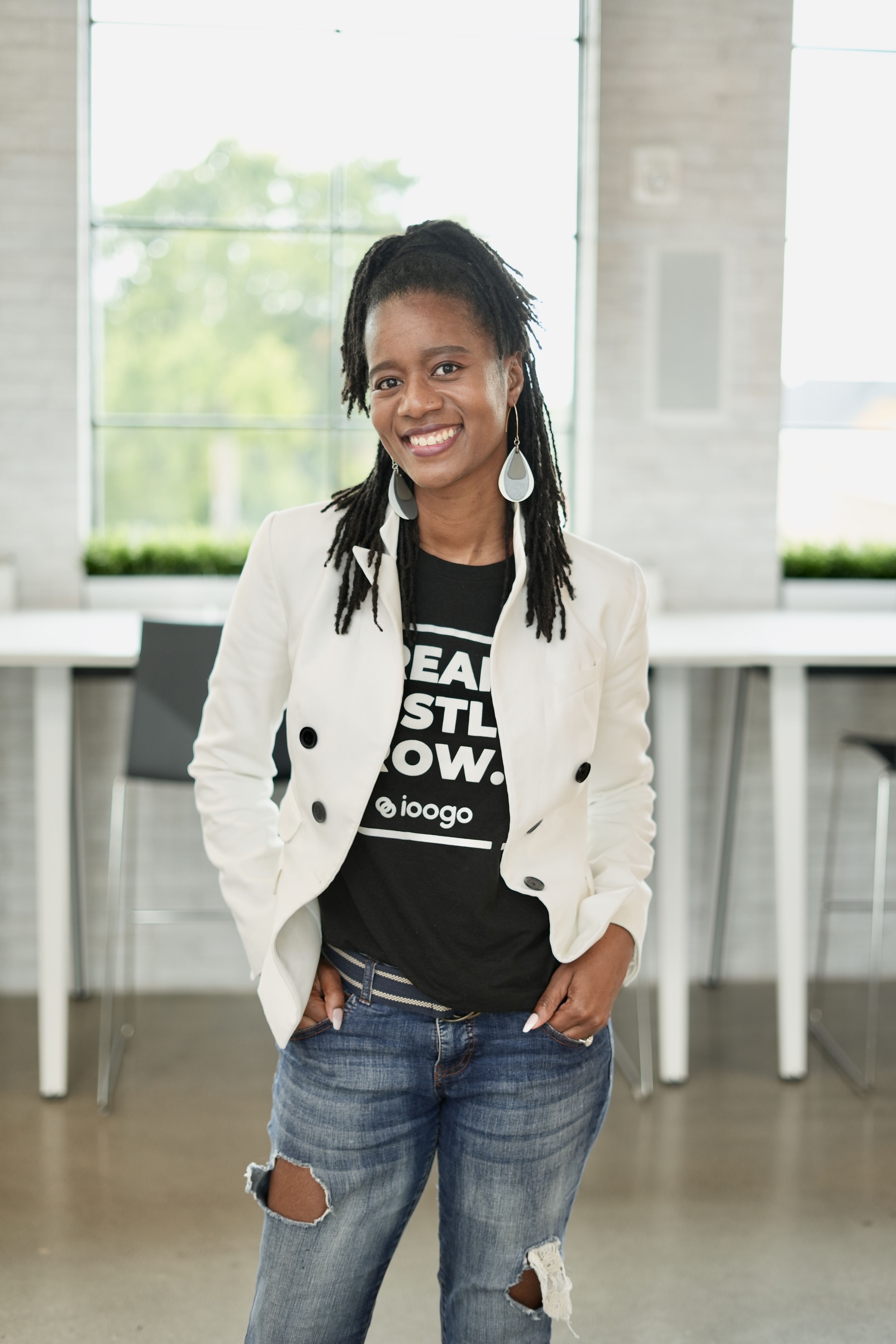 Vonna Matthews, with over a decade of experience in marketing and branding for nonprofits and small businesses, is a graduate of the University of Texas at Austin and holds an MBA in Marketing from Dallas Baptist University. Balancing her roles as a wife, mother, and entrepreneur, she founded the lifestyle brand Bottles, Bibs & Pumps to support “mompreneurs,” and launched CEOMOM Magazine in 2016 and CEOKID Magazine in 2018 to celebrate and provide resources for women and kid entrepreneurs.